HomeGalleryFAQAdvice
Contact
Permits and inspections · August 30, 2026
A failed electrical inspection almost never means the work is dangerous. It usually means one specific item does not match code or the approved plan, and the inspector wants it corrected before the job is signed off. Here are the items that get written up most often in the Phoenix area and what each one is really about.
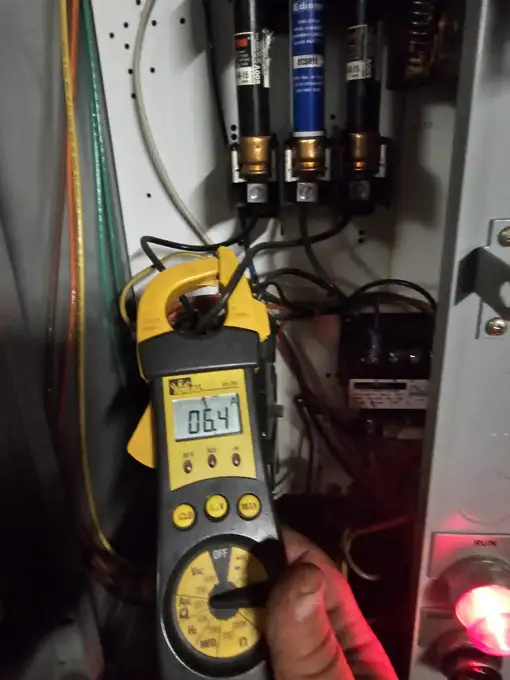
Inspectors are not looking for reasons to fail you. They are checking a list, and if one thing on it is not right, the whole inspection is marked for correction — even if everything else is perfect. Fix the item, call for a re-inspection, get the green tag. The cost of a failed inspection is time, not usually money, unless the correction means opening something back up.
This is the single most common category. Grounding electrode conductor not sized or terminated correctly, a missing ground rod or a second rod that was never driven, bonding jumpers missing at water piping or gas piping, neutrals and grounds sharing a bar in a subpanel where they must be separated. None of these will stop your lights from working, and all of them matter enormously the day something faults.
The list of locations requiring GFCI protection has expanded over successive code cycles — kitchens, bathrooms, garages, outdoors, laundry areas, basements, and receptacles near sinks generally. AFCI requirements have similarly grown for living areas. Inspectors test these. A common write-up is a receptacle that was replaced or added without the protection the current code requires for that location.
Circuit directories must be filled out legibly and accurately — 'lights' on eight different lines does not count. Separately, a panel needs defined clear working space in front of it. Panels that got walled into a closet, blocked by shelving, or ended up behind a new water heater get written up, and that correction can be expensive because the fix is architectural, not electrical.
If the permit says you are replacing a 100-amp panel and the inspector finds a 200-amp service, that is a correction regardless of the quality of the work. Same for circuits added beyond the described scope, or a service moved to a different location. Changes in the field are fine; changes that were never communicated to the jurisdiction are not.
Inspections also get bounced for reasons that have nothing to do with wiring: nobody on site to open a locked gate, a dog in the yard, the work not actually finished, or no power available to test. Being ready when the inspector arrives is half of passing.
Send us the correction notice. We do code corrections on other people's work routinely, including jobs abandoned partway, and we would rather tell you honestly that it is a twenty-minute fix than sell you a bigger job. Call (480) 828-1181. B and D Electric LLC holds Arizona ROC 361086, is bonded through RLI Surety and carries $1M/$2M general liability through Clear Spring; you can verify any Arizona contractor's license yourself on the ROC website.

Tell us what's going on and we'll give you a straight answer and a free written estimate. No pressure, no upsell.